Saturday, July 20, 2013

Rikugien Garden, Nippori

We strolled through a small traditional Japanese-style garden and pond, the Rikugien Garden, that was completed in 1702 during the Edo period. In the 1900s, it became a second resident of the founder of Mitsubishi. Unique to the garden were the variety of natural bridges, including a large slab stone bridge, earthern bridge, and small stepping stones. Later in the day we crossed over a modern pedestrian bridge with views of the skyscrapers and highways. It was an interesting comparison of crossings. Before we headed back south to main Tokyo, we walked through Nippori, an older area with little traffic and several pedestrian-only streets.

Rikugien Garden
overview from the tallest hill in the garden, 35m high,
Fujimi-yama, "Fuji-view Peak"

stepping stones

 grassy bridge
 

old boat

stone bridge
 
Nippori
 old-fashioned shopping lane
 
shop selling handmade bamboo baskets

bustling vegetable stall

Yanaka cemetary- interesting vertical markers
 
Modern pedestrian bridge crossing


Friday, July 19, 2013

Eclectic experiences

Each day we see different things in Tokyo and are enjoying the experience of everyday living here and seeing how the Japanese live, work, and play. Here is a collection of sights from the past few days, such as flowers from a garden, a wind chime display and home decor store at an indoor mall, bowling alley on the seventh floor of a high rise, and popular steam buns from a department store basement food court.

Shinjuku Garden
lovely hydrangeas provide color along the city streets

interesting Asian-style tea house

roses in bloom
 
Browsing displays and stores
at an indoor mall (Tokyo Midtown)
Fanning a chime so it will ring

wind chime display structure

home decor- modern tatami seating

typical 'double' sized Japanese Western-style bed
 
Bowling on the 7th floor
37 lane bowling alley on the 7th floor!
 
Popular snacks
 delicious steam buns
filled with seafood, meat, and vegetables
 

Thursday, July 18, 2013

Japanese fondue

We usually think of seafood first with the Japanese diet, but meat has also become part of their diet. Meat was originally considered unclean by Buddhists and banned until the late 19th century. Now the Japanese prepare meat in delicious dishes such as sukiyaki and shabu-shabu, both fondue-style. Sukiyaki is a thinly sliced beef dish cooked at the table in a broth of soy sauce, stock, and sake along with vegetables like scallions, mushrooms, tofu, and bamboo shoots. The custom is to serve yourself from the pot and then dip the bite into your own bowl of raw egg. The eggs here have the most amazing orange-red color. We love to buy the hard-boiled ones from the market and have them daily as snacks. Another table-side service is shabu-shabu, which is also thinly sliced beef cooked in a broth with vegetables. The difference between the two is that sukiyaki has a soysauce and sake-flavored stock while shabu-shabu has a clear, lightly flavored stock.  They're actually pretty expensive to order at a restaurant with dishes at about $25-$55 per person. Both are delicious and it's really fun to use your chopsticks and cook your own meat and vegetables. So next time when you're having fondue, consider chopsticks instead of fondue forks. :)

Sukiyaki
 

Shabu-shabu
 
 (these photos are courtesy of other web pages; we couldn't take photos in the restaurants)


Wednesday, July 17, 2013

Chopsticks (hashi)

Like the Western fork and spoon, chopsticks or "hashi" (meaning 'bridge') are an important utensil in Japanese (and all Asia) eating and cooking. Japanese chopsticks are rounded and tapered at the point while Chinese chopsticks are squared off and blunt. We see chopsticks everywhere, mainly disposable ones at restaurants and convenience stores but also at shops that solely sell chopsticks and chopstick holders. Chopsticks range in price and quality with some going for more than a hundred dollars each. The wood and ornamentation vary, with each set having a different personality, from playful ones that look like color pencils with bright primary colors to elegantly carved ones from rare wood to modern ones with sparkles and a black glossy finish. Chopstick etiquette is very important; here are some rules for correct chopstick usage.


And if you can't remember anything else... it's ok to use your fingers to eat sushi rolls!

Tuesday, July 16, 2013

Coffee Milk

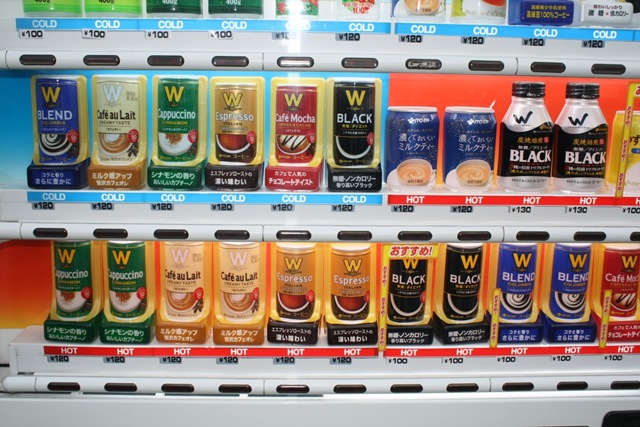
We've noticed that the most frequently consumed beverages are hot green tea, complimentary at convenient stores and department stores, and cold coffee milk cups. At restaurants, hot green tea and water are served immediately along with a sanitation hand towel or hot towel. During the meal, beer, especially, but wine as well are enjoyed. Rather than sodas or bottled water, cold coffee milks by Starbuck's, Mt Rainier, and Van Houtte are very popular. Cafes are all over Tokyo- there are more Starbuck's than any other international franchise here! The hot summer climate probably is a factor in the choice of beverage. The drinks, either purchased at one of the ubiquitous vending machines or Family Marts (7-Elevens), are consumed immediately on site, and tossed in the appropriate recycling bin before moving on. We have not seen any Japanese eat either while walking, even an ice cream cone is consumed while sitting.
 
Japanese Cold Coffees 
popular coffee beverages sold in convenience stores

vending machines selling coffee drinks

Monday, July 15, 2013

Super view of Tokyo, and an onsen experience

With clear, blue skies this afternoon, we went to a well-known (and free!) observatory for a view of the Tokyo. Located just west of Shinjuku station (about 20 minute walk from class), the Tokyo Metropolitan Government (TMG) Office offers the best free view of Tokyo. The building itself is impressive- 3 buildings, with the tallest where the observatory is at 48 stories (240 m or 787 ft). Many important Japanese government offices are in the complex, so it must be quite a sight when all the floors and cubicles are filled by the workers during the week. Today was a holiday, so it was quiet.

Since it was a holiday, the program organized an excursion for the group to go to an onsen, Ooedo-Onsen Monogatari, which was located about a 30 minute metro ride south east. After changing into yukatas (cotton kimonos), we went to the baths (men and women had separate areas) and enjoyed relaxing in the several different bathing tubs at various temperatures, a Jacuzzi, and several outdoor baths. The souvenir shops, games, and restaurants on site made it a little hokey, but apparently the onsen is really popular. There weren't many people there today, but maybe that was because it was noon on a hot July day.

Views from the Tokyo Metropolitan Government Office
interesting (and huge!) skyscrapers

western views

 we look short!
 

Tokyo Metropolitan Government office,
twin 48-story towers with observatories


Sunday, July 14, 2013

Shinjuku Garden

We enjoyed strolling through the Shinjuku Garden, a large garden park that was once an imperial retreat. It was really refreshing with its greenery, soothing with the birds and cicades instead of the honking traffic, and calming without many people. The garden offered three styles of gardens: French with a promenade, symmetrical line of sycamore trees, and a rose bed; English with an extensive lawn; and Japanese with two teahouses and a pond. There was also a very nice, modern greenhouse with tropical plants and a waterfall. For such a beautiful park on a Sunday afternoon, it was surprisingly quiet with a few people playing frisbee or resting on blankets on the lawn. This one is our favorite park so far. Much rejuvenated, we ventured out into the urban jungle and browsed several department stores. We bought fresh bread from one of the bakeries and sushi for dinner.

Shinjuku Garden
 
overview
 
roses in the French garden

umbrellas always on hand
 
grove of cherry trees

expansive lawn at the English garden
 
picturesque Japanese garden

willow trees at the Japanese garden

modern greenhouse